Storm Damage in Hunting Creek, IN
Water coming through the roof in Hunting Creek? A crew dispatches within 2 hours, weekends and holidays included.
Hunting Creek Water Restoration provides Storm Damage in Hunting Creek, IN. 24/7 emergency response with IICRC certified crews, and we work with your insurance carrier on approved claims. Call (765) 436-6771 for immediate dispatch.
- Service: Storm Damage for Hunting Creek homeowners
- Service area: Hunting Creek, IN and surrounding areas
- Response time: 24/7 live dispatch; emergency crews prioritized for Hunting Creek
- Licensed and insured (License #RC21100059)
- Serving Hunting Creek, IN since 2018
Storm Damage Cleanup in Hunting Creek
We handle storm damage cleanup across Hunting Creek, from tarping the opening to drying the house underneath it, and we're out day or night.
Storms Here
The creek of the same name is prone to flooding. Storms here can also bring large hail. If your insurance company asks for a storm date, NWS Indianapolis keeps a list of past events.
Where Storm Water Ends Up
Homes near the creek of the same name can see rising water after heavy rain. With finished basements common here, a big storm can bring water in from below as well as through the roof. That makes it a basement flooding job too.
After a storm we can be anywhere in Hunting Creek, from Pleasant Creek to the roads around Stones Crossing Road and Greenwood Park Mall. We also handle storm damage in Bargersville and New Whiteland.
Expert Storm Damage for Hunting Creek Homeowners
Water that got into the roof assembly during a hard freeze doesn't show itself until the thaw, and then it shows up all at once. Ice in the deck and in the insulation melts, the drywall below takes all of it, and a ceiling that looked fine for a week starts to sag. Hunting Creek Water Restoration dispatches to storm and freeze damage calls in Hunting Creek, IN within 2 hours with meters that read what the cavity is holding and the equipment to dry it.
Storm water usually comes in overhead, so the attic and the ceiling get the closest look. Hunting Creek Water Restoration technicians read the insulation, the underside of the roof deck and the top plates where water sits, then trace it down to the rooms below. Every wet spot in your Hunting Creek home gets marked, photographed and logged before anything comes out.
Storm jobs run in a sequence the building sets, and it starts at the envelope. Hunting Creek Water Restoration stabilizes the opening, pulls standing water, removes the materials that can't be dried in place, sets the drying chamber, monitors it daily, verifies against the baseline readings, and rebuilds. Skipping ahead puts a wet cavity behind new ceiling board, and that comes back as a stain and a second repair.
Rain, insulation and drywall leave a lot to keep track of on a storm job, and Hunting Creek Water Restoration keeps it in one file for your Hunting Creek home. That file covers the entry point photos, the daily readings, why each material came out, the equipment log and the final readings. It's yours to keep, and you decide with your insurer what to do with it.
A wet attic is one phone call away from a plan. Hunting Creek Water Restoration dispatches a crew to Hunting Creek, IN with probes, meters and drying equipment, and you'll have the moisture map before anyone opens a ceiling in your house.
Signs You Need Storm Damage Restoration
If you notice any of these in your Hunting Creek home, schedule a free inspection before the issue worsens.
A wet cardboard smell in a basement that was fine before the storm
Window or door trim swollen and sticking that opened and closed fine last week
Shingle granules piled in the gutters or washed out at the bottom of a downspout
A wet soffit or ceiling corner on a covered porch after wind pushed rain up under the eave
Interior door frames swollen so the door rubs or won't latch
Water dripping from a ceiling light fixture or running down the canopy of a ceiling fan
Water seeping in at the floor and wall joint during heavy rain
Water stains running down a stairwell wall from the upper floor
Hardwood boards cupping near a patio door or garage entry
Recessed ceiling lights with water droplets around the trim after heavy rain
How Hunting Creek Water Restoration Handles Storm Damage
We follow these steps in order on every Hunting Creek job.
Storm Call Intake
The first call covers where you see water, whether the power is on, how long it's been coming in and what's already been moved. Those answers decide what gear goes out and what to do before the crew gets there.
Water Source Call
The crew checks where the water came in and what it touched on the way, and photographs the entry point. Floodwater that came in at grade gets containment and protective gear before any work starts.
Wet Insulation Removal
Soaked batts and matted blown in get bagged out of the attic and the ceiling cavity, with type, depth and square footage recorded for the rebuild and for the claim. Wet insulation holds water against the ceiling board and loses its insulating value while it's wet.
Daily Monitoring
A technician returns every 24 hours while equipment runs, logs moisture content at the same marked locations, and repositions equipment wherever a zone's lagging. Rain during the drying phase triggers a recheck of the stabilized opening and of the materials sitting under it.
Reconstruction and Finish Work
Insulation goes back to the recorded depth, ceiling board gets hung, taped and finished, texture is matched to the existing surface, then paint, trim, flooring and anything else that came out. The rebuild follows the measurements taken during the drying.
Storm Damage in Hunting Creek
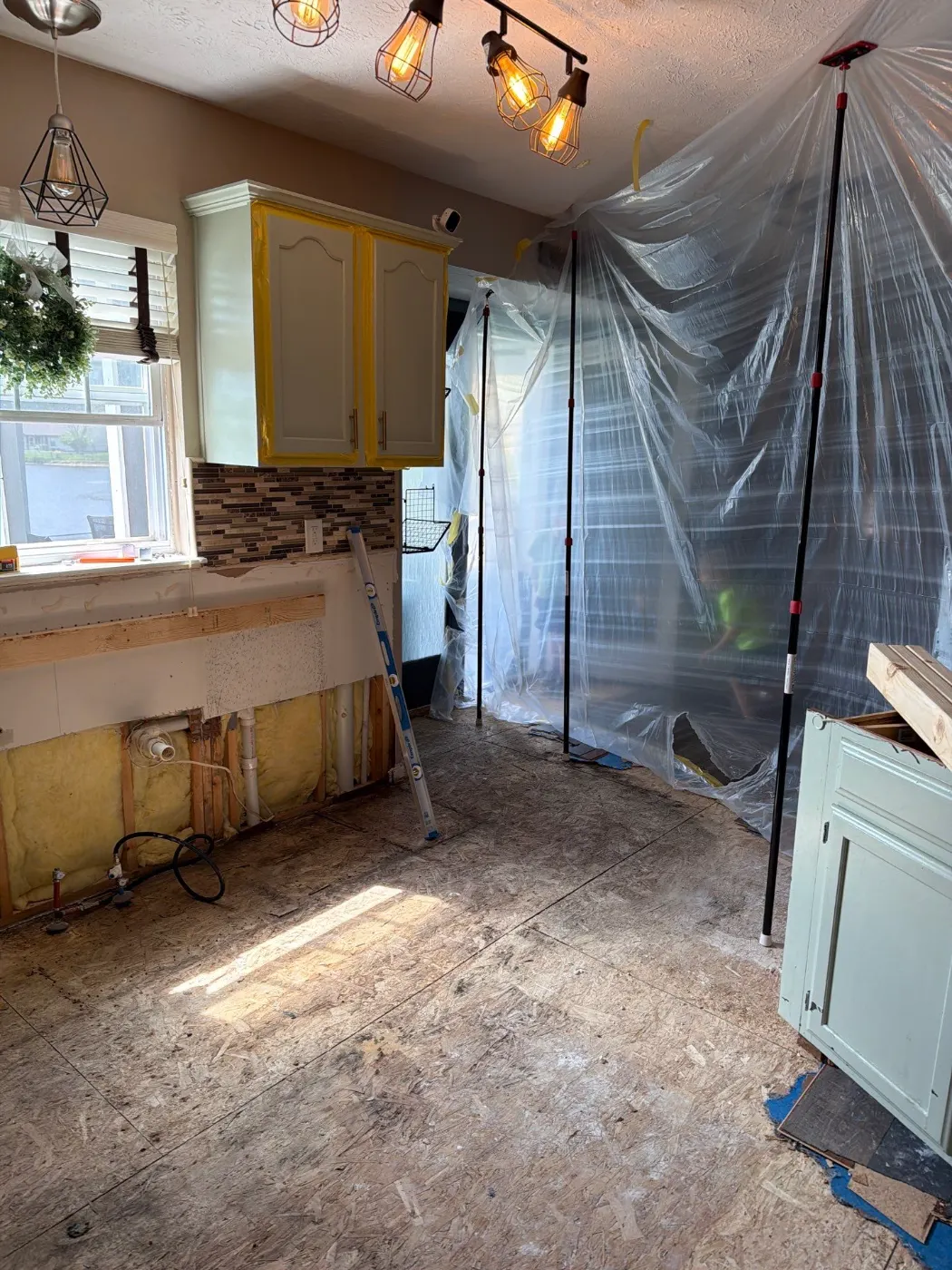
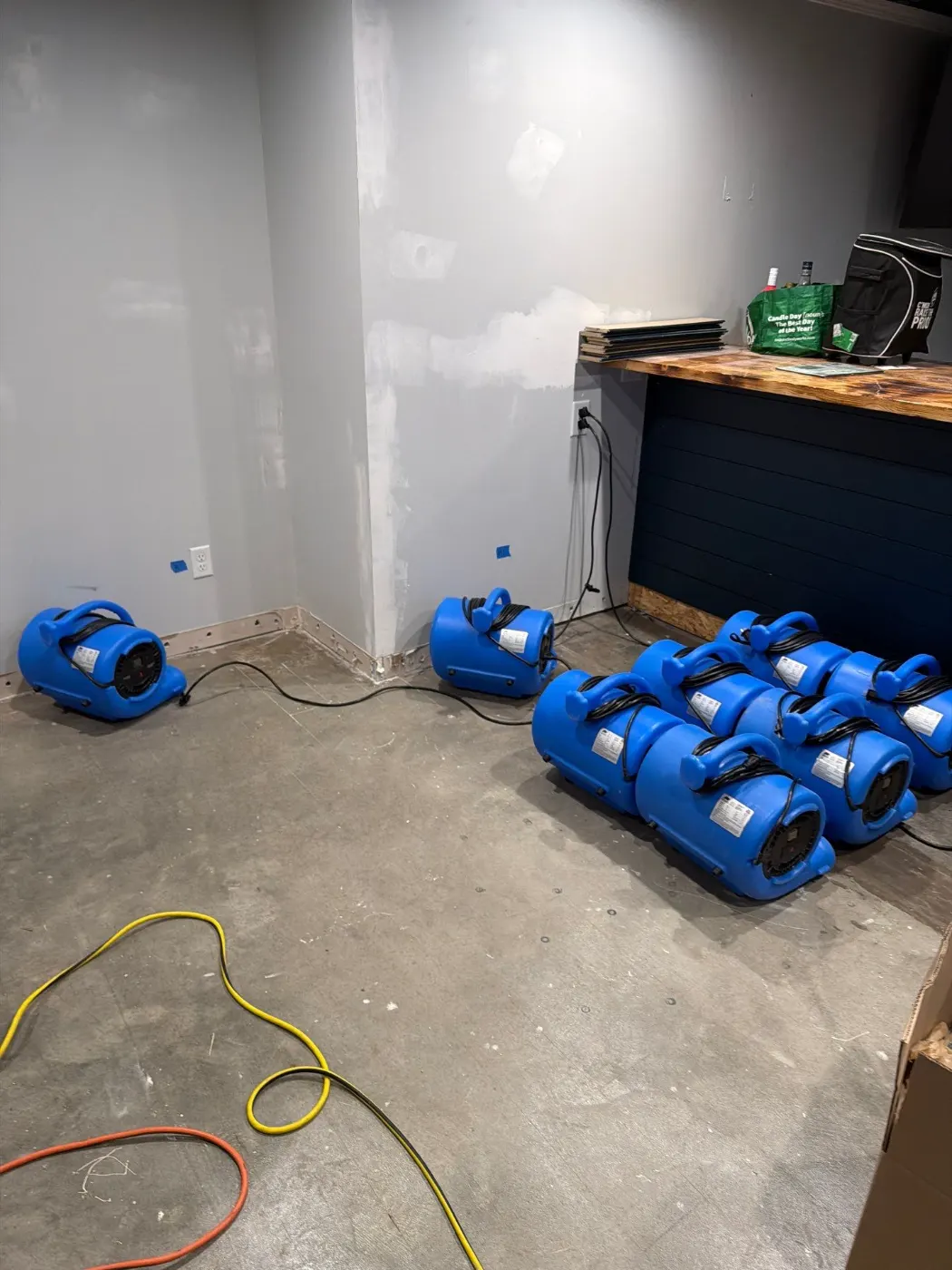
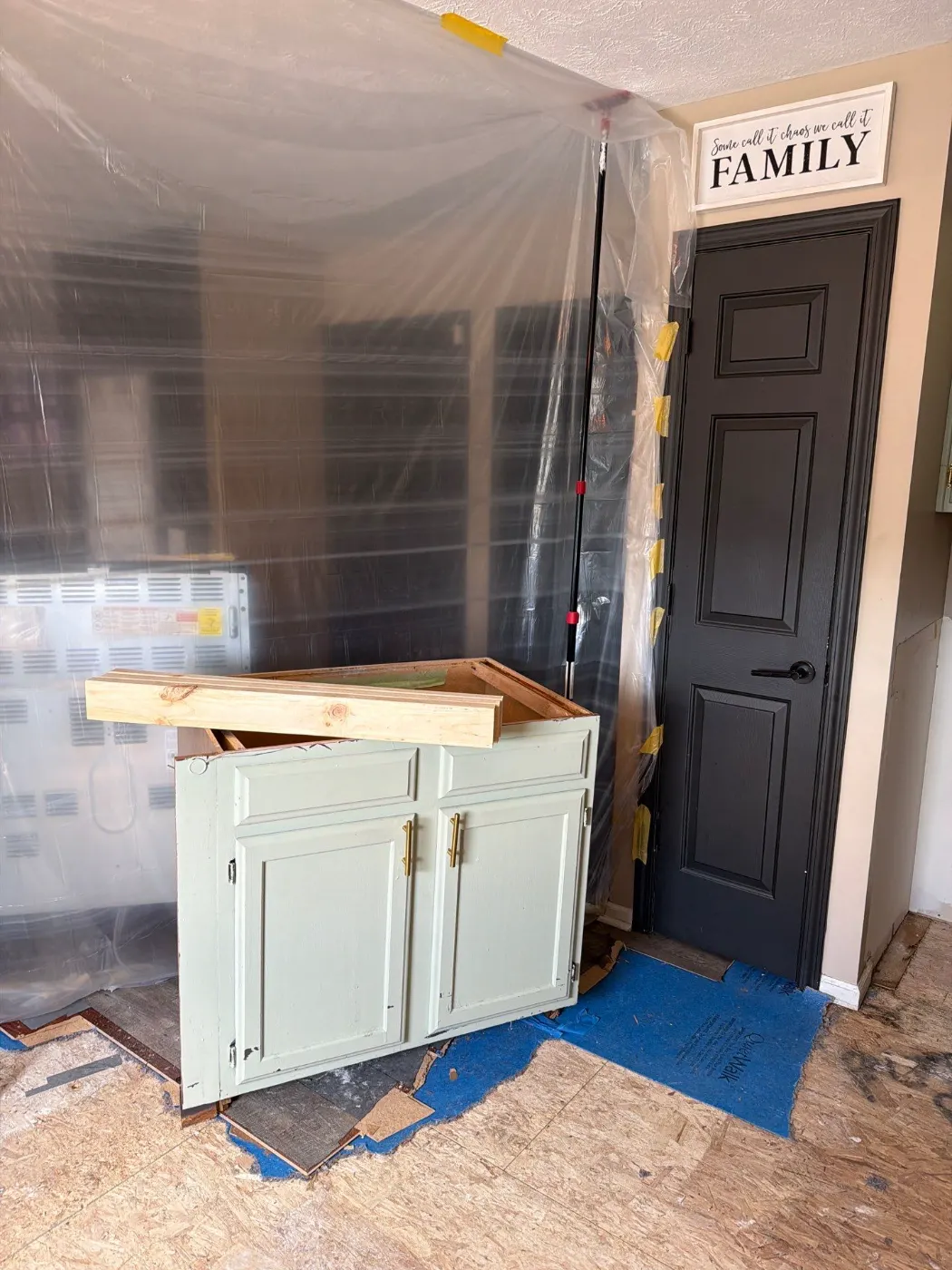
Photographs from real storm damage jobs completed by our crew in Hunting Creek and surrounding areas.

Storm Damage FAQ
Questions Hunting Creek homeowners ask us about storm damage restoration.
Guidance and Standards for Storm Damage
- The National Weather Service office in Indianapolis posts summaries of recent central Indiana storm and flood events. NWS Indianapolis Event Summaries
- The Indiana Department of Insurance advises against permanent repairs before your insurance company inspects the damage. Check your own policy for what it covers. Indiana Department of Insurance: Insurance Claim Tips
Hunting Creek Neighborhoods We Serve
We take storm damage calls in every part of Hunting Creek. Pick your neighborhood for local details.
Other Restoration Services in Hunting Creek
Hunting Creek Water Restoration handles the full scope of restoration work. Explore our other services below.
Water Damage Restoration in Hunting Creek
24/7 emergency response. IICRC certified water restoration from extraction to full dry out.
Learn more →Basement Flooding in Hunting Creek
Basement water emergencies handled fast. Extraction, drying, mold prevention.
Learn more →Sewage Cleanup in Hunting Creek
Category 3 biohazard cleanup. Full containment, decontamination, structural restoration.
Learn more →Request Storm Damage Restoration
Reach Us Directly
Our team is available 24/7 for emergencies and ready to schedule inspections during business hours.
Need Immediate Help?
For active water or mold emergencies, call us directly. We are available 24/7.